Keep 75–85%
of every deal.
Operate Growt's structural audit engine under your own brand, in your own region. We provide the platform, MCP, and infrastructure. You own the customer.
Estimate your earnings
21 open-source plugins
What you'll be selling integrates with your customers' MLOps stack
22 open-source plugins ship with Growt today. Your customers plug in. You collect.
Every pill links to its repo on github.com/LeeSandberg — MPL-2.0 licensed.
Every industry
Where operators deploy Growt
The core question is always the same: are these two windows onto the same thing actually seeing the same thing?
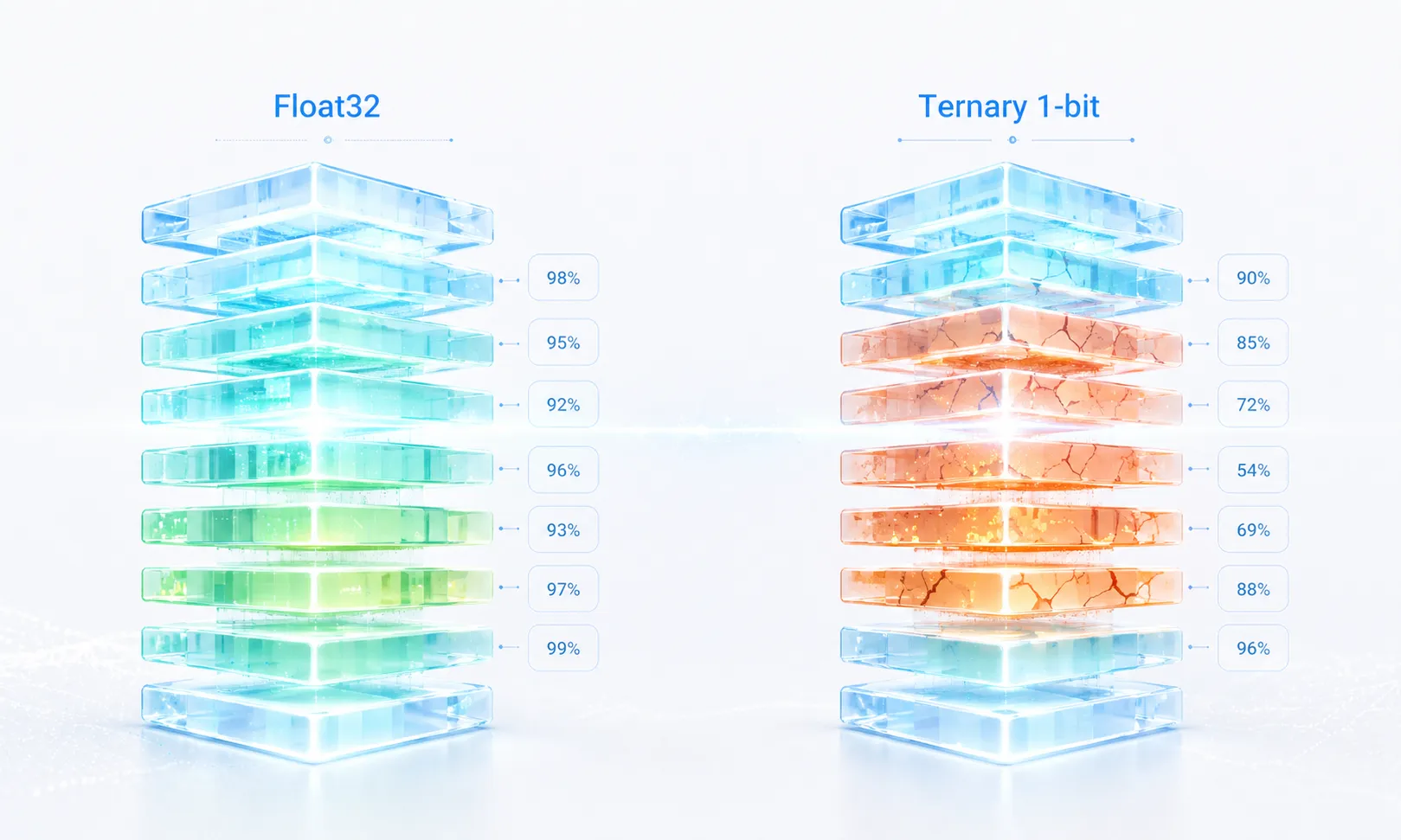
Quantization auditing
Int4 overall accuracy drops 1.6%. But automobile loses 7.3% while truck stays at 98.2%. Growt finds the blind spots accuracy benchmarks miss.
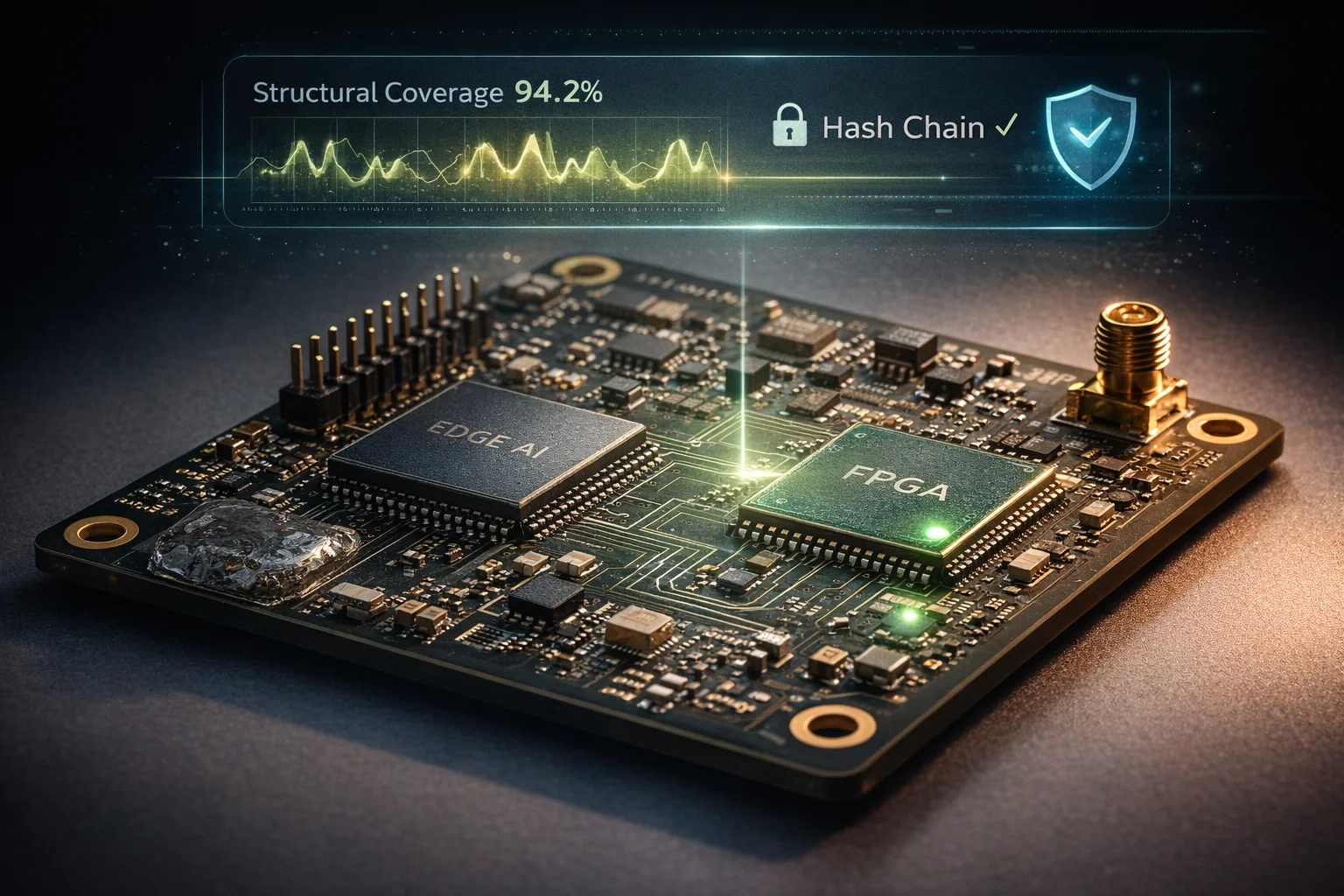
Edge FPGA black box
Hardware-enforced AI monitoring. FPGA co-processor audits every inference in under 10μs — tamper-proof, hash-chained, insurable.

Quantum output validation
Your quantum computer gave you an answer. Is it structurally sound? Detect noise types, calibration drift, and cross-backend divergence — without classical simulation.
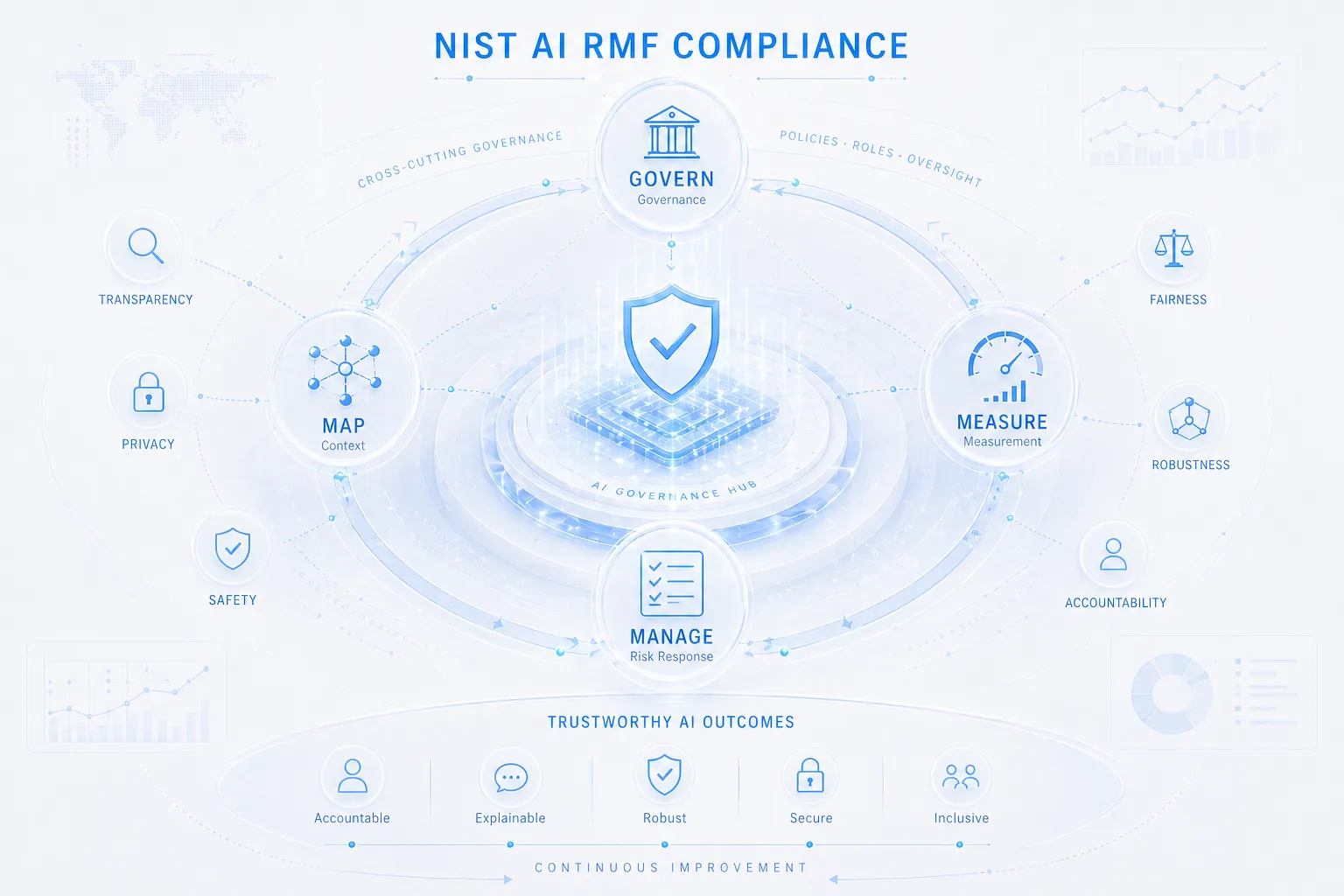
NIST AI RMF compliance
Map structural auditing directly to the seven characteristics of trustworthy AI defined in NIST AI RMF 1.0. Per-category disaggregated metrics and audit certificates.

AI model transfer
Does your trained model transfer to production data? Validate before you ship — not after it fails.

Sensor pair comparison
Two radars, two lidars, two cameras observing the same scene — do they structurally agree, or has one drifted?

Multi-site clinical studies
Patient data from Site A vs Site B — certify structural equivalence before pooling cohorts or training shared models.

Cross-modality alignment
Radar vs optical, Sentinel-1 vs Sentinel-2 — does the structural content of two modalities agree over the same geography?
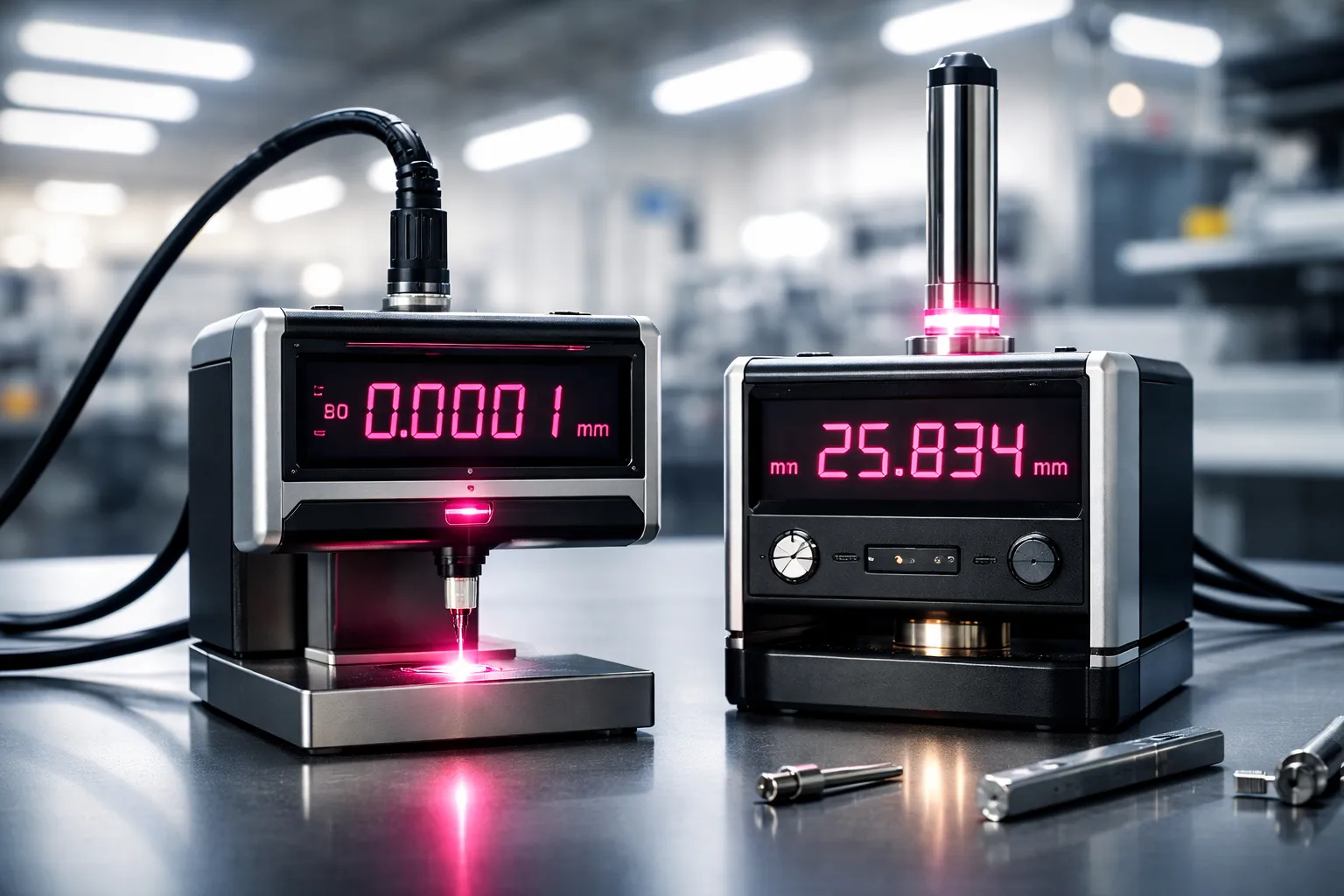
Equipment calibration
Two test benches, two lab instruments — are they producing structurally equivalent results or has calibration drifted?

Temporal drift detection
Has your data distribution shifted between last quarter and today? Catch regime change before your model notices.

Sim-to-real transfer
Does your simulated training data structurally match real-world sensor readings? Validate the reality gap before deploying a robot trained in simulation.
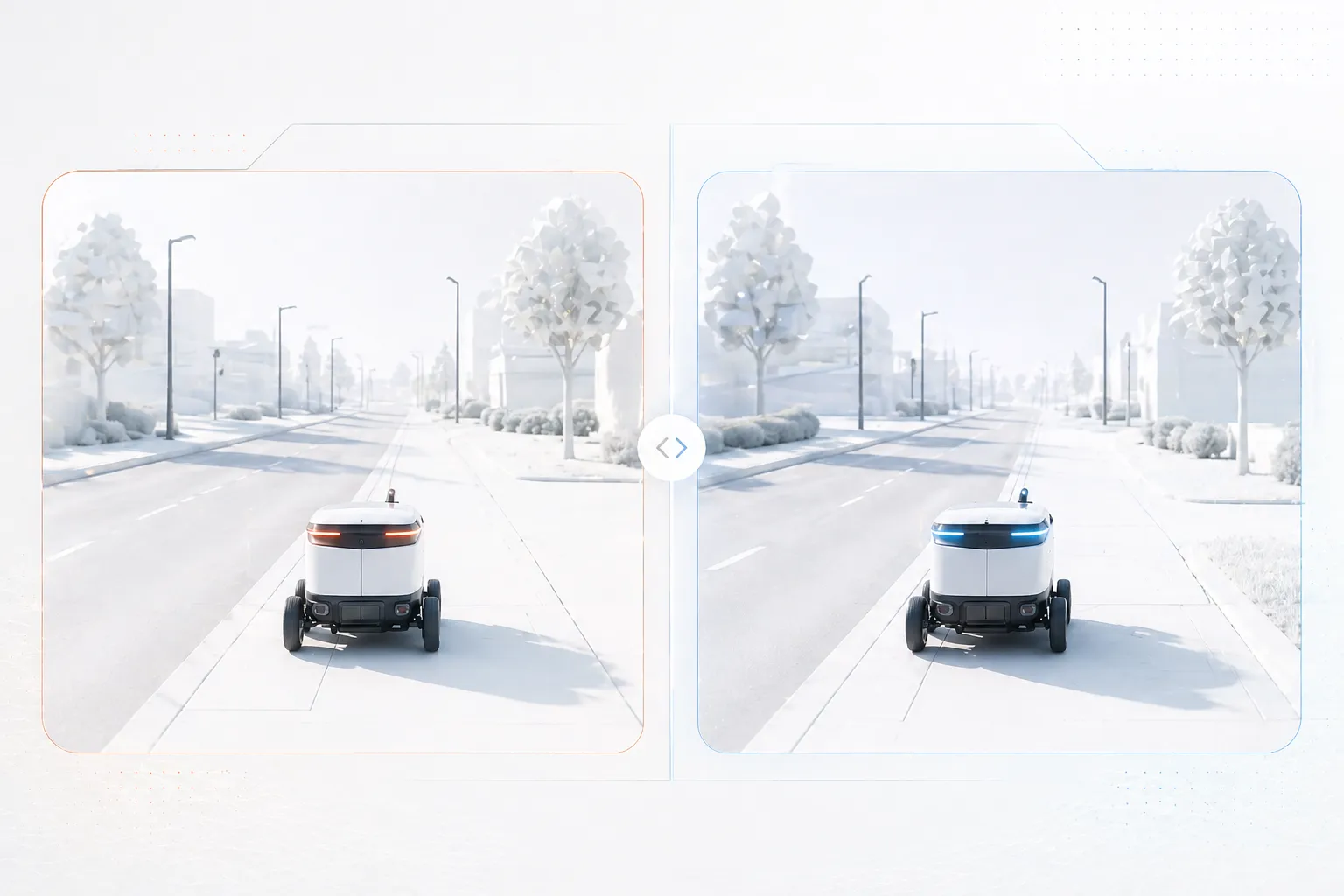
Sim-to-sim comparison
Two simulators, same environment — do they produce structurally equivalent training distributions? Validate before migrating from one physics engine to another.

Domain randomisation
Does your randomised sim actually span the real-world variation your robot will encounter? Structural coverage analysis — not guesswork.

LoRA adapter & task testing
Does a fine-tuned adapter trained for one task or domain structurally transfer to new data? Validate adapter compatibility before deploying to a new base model or dataset.

Pharma & drug discovery
Cross-lab assay reproducibility, compound library transfer, multi-instrument calibration. Certify that two labs' molecular data are structurally equivalent before pooling or modelling.
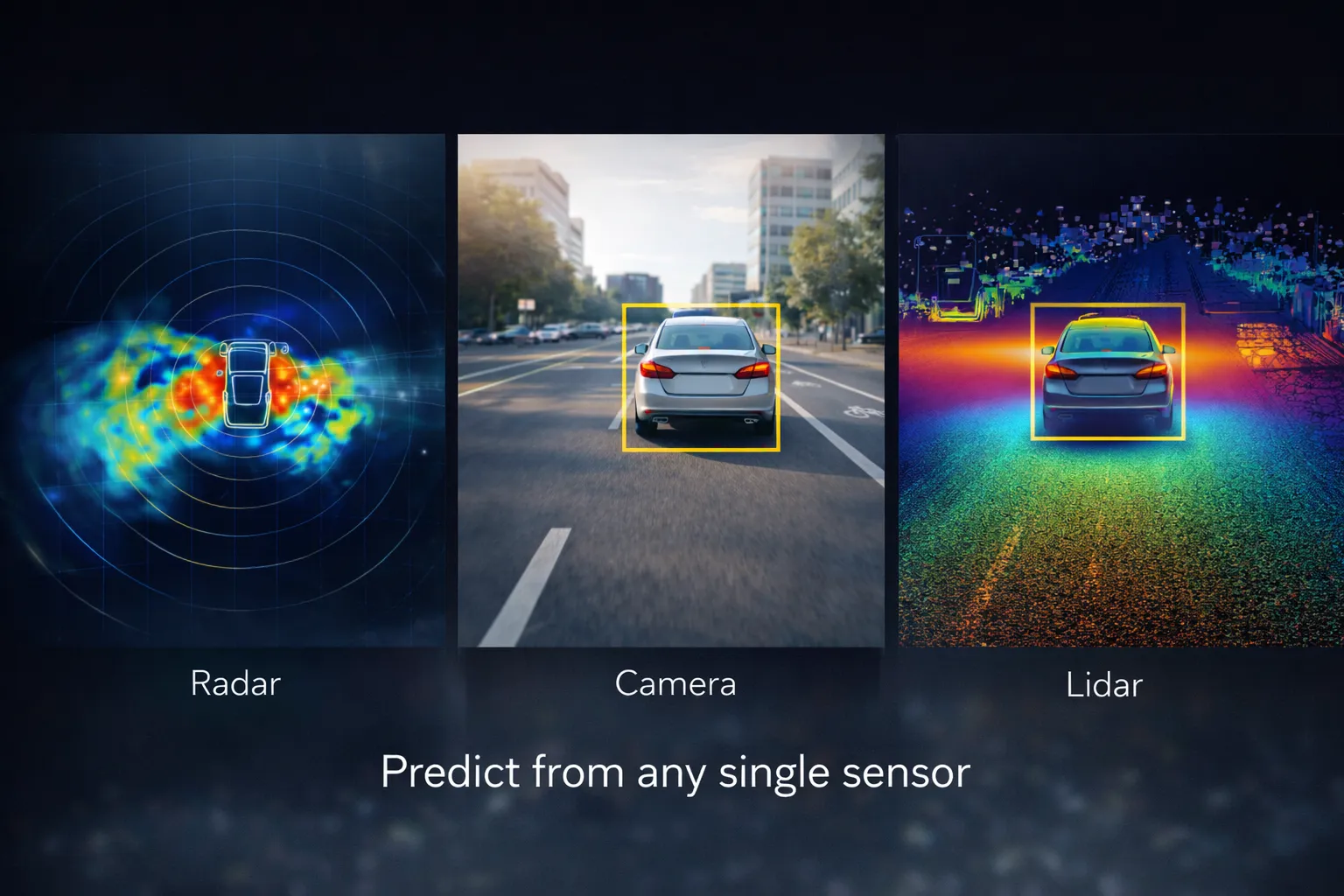
Predict from any single sensor
Run all your instruments together once during calibration. Then drop any one in the field — Growt infers what the missing instrument would have recorded. Radar only? Predict what the camera would have seen.
The difference
Every other tool asks
“are they different?”
Growt asks how, and where.
MMD gives you a distance. KS gives you a p-value. Drift detectors give you alerts. Every one of them is a binary signal with magnitude. Operators sell structural insight.
vs MMD · KS · Wasserstein
Global statistics miss the structure.
Same mean, same covariance, completely different internal structure — they won’t catch it. Growt will, and tells you which dimensions are driving the divergence.
vs Classifier two-sample tests
A yes/no answer isn’t actionable.
Can the classifier tell A from B? Yes or no, with an accuracy score. It won’t tell you where or why. Growt identifies which part of the structure is mismatched.
vs Evidently · Arize · Fiddler
Post-deployment monitors are too late.
Built for time-series monitoring after launch. Not designed for pre-deployment validation, cross-instrument comparison, or multi-site equivalence certification.
By the numbers
Built for operators, not platforms
You retain the majority of revenue while licensing Droidtech's platform, brand, playbooks, API access, and infrastructure.
Operator tiers
Start small. Grow as your franchise grows.
API
Usage-based
Stateless endpoints only.
- ✓Pay per call
- ✓$0 idle
- ✓Branded MCP
- ✓Basic support
Team
Monthly
Branded portal for your customers.
- ✓Everything in API
- ✓Session pipelines
- ✓Branded portal
- ✓Usage dashboard
Compliance
Monthly
Audit trail, GDPR, EU AI Act registry.
- ✓Everything in Team
- ✓Audit log
- ✓GDPR export
- ✓AI Act registry
- ✓PDF reports
Enterprise
Custom
Dedicated infra and SLA.
- ✓Everything in Compliance
- ✓Silo DB
- ✓Custom MCP
- ✓VPN
- ✓SLA
Operator network
You're not alone — you're part of a network
Growt operators are domain experts. We bring you together — in dedicated 1:1 sessions and at our annual operator summit.

Dedicated 1:1 operator meetings
Regular strategy calls with the Growt team — your roadmap priorities, customer challenges, new vertical opportunities. Direct line to the people who build the platform.

Annual operator summit
Once a year, operators from every domain gather in person — share what's working, shape the product roadmap, and meet the people solving the same problem in different industries.
Application process
Five steps. No surprises.
Apply
Tell us your domain, region, and the customer problem you want to solve.
Talk to the agent
The Growt operator AI agent checks availability and records your intent.
Territory check
We confirm your region and use-case domain are open. If not, adjacent options.
Activate or call
Skip straight to activation, or book an optional intro call.
Sign the agreement
Your region and domain are protected — no other operator can compete in it.
Template contracts
Draft templates — review with your legal counsel before use. Print or save as PDF from the page.
Try it first
Talk to the Growt operator agent
Describe your use case, region, or the problem you want to solve for your customers. The agent will run a demo audit and check territory availability.
Ready when you are.
14-day trial franchise — full Operator MCP access, no billing until you convert. Applications reviewed personally.